
Step into a sun-drenched taverna with every bite of this Classic Greek Salad, known in Greece as Horiatiki. Unlike the “Greek-style” salads found in many Western supermarkets, a true Horiatiki contains no lettuce. Instead, it is a rustic, vibrant celebration of sun-ripened tomatoes, crisp cucumbers, sharp red onions, and briny Kalamata olives, all topped with a thick slab of creamy feta cheese. Dressed simply in high-quality extra virgin olive oil and fragrant dried oregano, this salad is the epitome of Mediterranean healthy eating—simple, fresh, and bursting with flavor.

Why This Recipe Works
- No-Lettuce Authenticity: By omitting leafy greens, we prevent the salad from becoming soggy, allowing the juices from the tomatoes and cucumbers to mix with the olive oil for a delicious “liquid gold” at the bottom of the bowl.
- The “Block” Feta Technique: Traditionally, feta is served as a large block or thick slices on top of the salad rather than crumbled, preserving its creamy texture and allowing diners to break off as much as they like.
- Balanced Acidity: The combination of red wine vinegar and the natural juices of the vegetables provides a bright, refreshing finish that cleanses the palate.
- Nutrient-Dense: High in healthy fats, antioxidants, and vitamins, this salad is a powerhouse of the Mediterranean diet.
Recipe Details
- Prep Time: 15 Minutes
- Total Time: 15 Minutes
- Yield: 4 Servings
- Difficulty: Very Easy
Ingredients
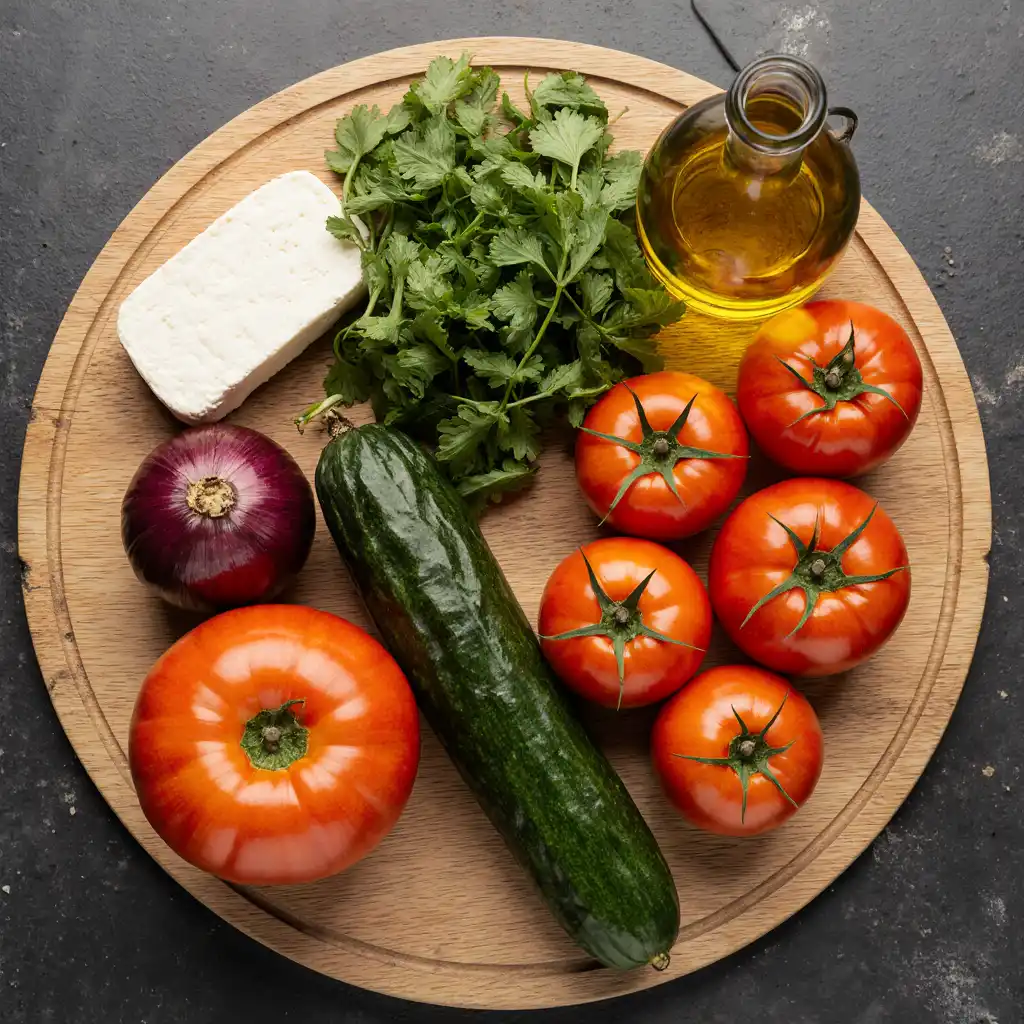
- 4 Large Ripe Tomatoes, cut into wedges or large chunks
- 2 Small Persian Cucumbers or 1 Large English Cucumber, sliced into thick half-moons
- 1/2 Red Onion, thinly sliced into rings
- 1 Green Bell Pepper, sliced into rings or strips
- 1/2 cup Kalamata Olives (with pits for authenticity, or pitted for convenience)
- 7 oz (200g) High-quality Feta Cheese (in a block)
- 1 tsp Dried Oregano (Greek oregano is best)
- 1/4 cup Extra Virgin Olive Oil
- 1 Tbsp Red Wine Vinegar
- A pinch of Sea Salt (be careful, feta and olives are salty!)
Instructions
- Prep the Vegetables: In a large, shallow bowl, combine the tomato wedges, cucumber slices, red onion rings, and green pepper.
- Add Olives: Scatter the Kalamata olives over the vegetable mixture.
- The Dressing: Drizzle the red wine vinegar and the extra virgin olive oil over the salad. Give it a very gentle toss to coat the vegetables.
- The Feta Finish: Place the block of feta cheese right on top of the salad.
- Season: Sprinkle the dried oregano generously over the feta and the vegetables. Finish with a small pinch of sea salt.
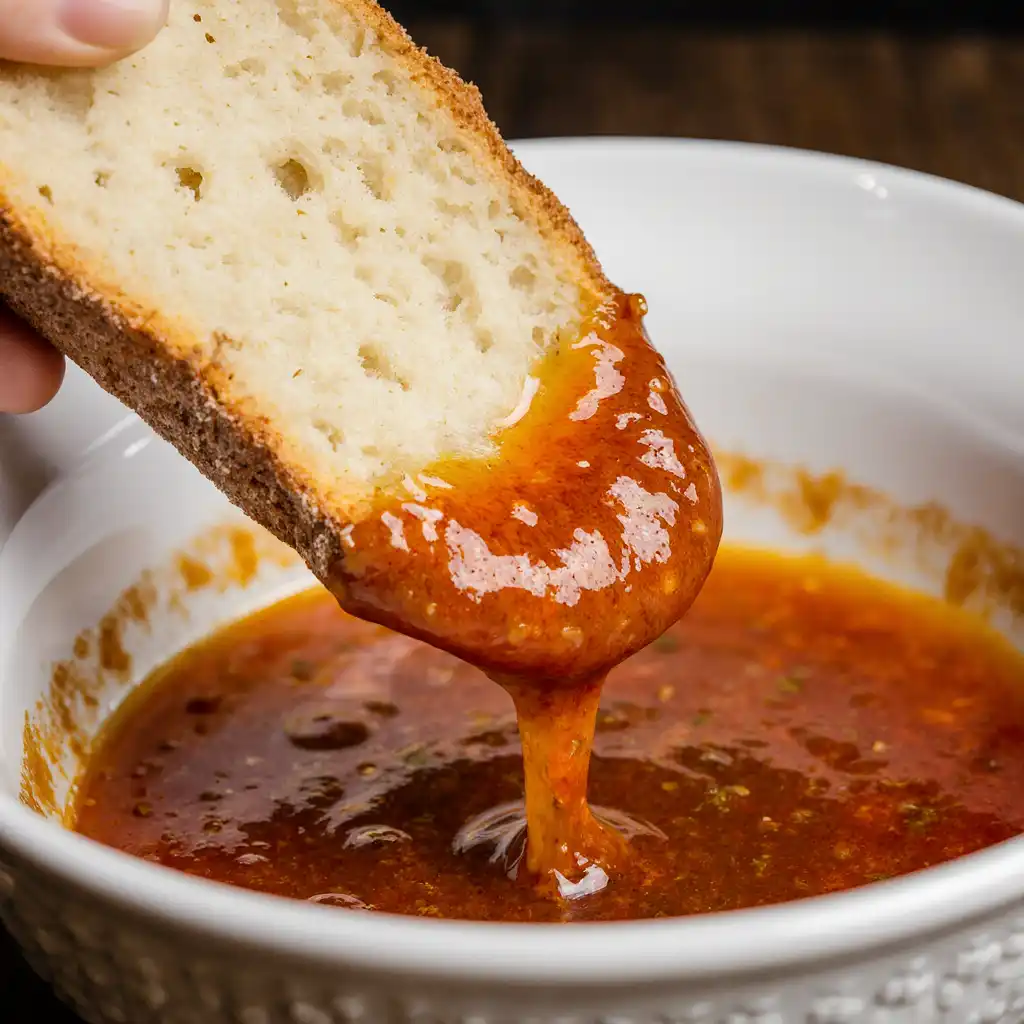
- Serve: Serve immediately with a side of crusty bread (crusty bread is essential for “papara”—soaking up the remaining oil and juices!).
Conclusion
The Classic Greek Salad is a masterclass in how a few premium ingredients can create a world-class dish. It relies entirely on the quality of its components, so this is the time to reach for that top-shelf olive oil and the ripest tomatoes you can find. Whether served as a light lunch or a side dish for grilled lamb or souvlaki, Horiatiki brings a refreshing, honest, and healthy soul to your dinner table. It’s not just a salad; it’s a lifestyle.
(FAQ)
Q: Can I use different olives?
A: Kalamata olives are the traditional choice for their almond shape and rich, fruity flavor. If you must substitute, use another brine-cured black olive, but avoid canned “California” black olives as they lack the necessary tang.
Q: Should I peel the cucumbers?
A: In Greece, cucumbers are often peeled in a “striped” pattern or peeled entirely if the skin is thick. For English or Persian cucumbers, the skin is usually tender enough to leave on.
Q: Why dried oregano instead of fresh?
A: While fresh herbs are great, dried Greek oregano has a more concentrated, earthy flavor that is the signature scent of a traditional Horiatiki.