
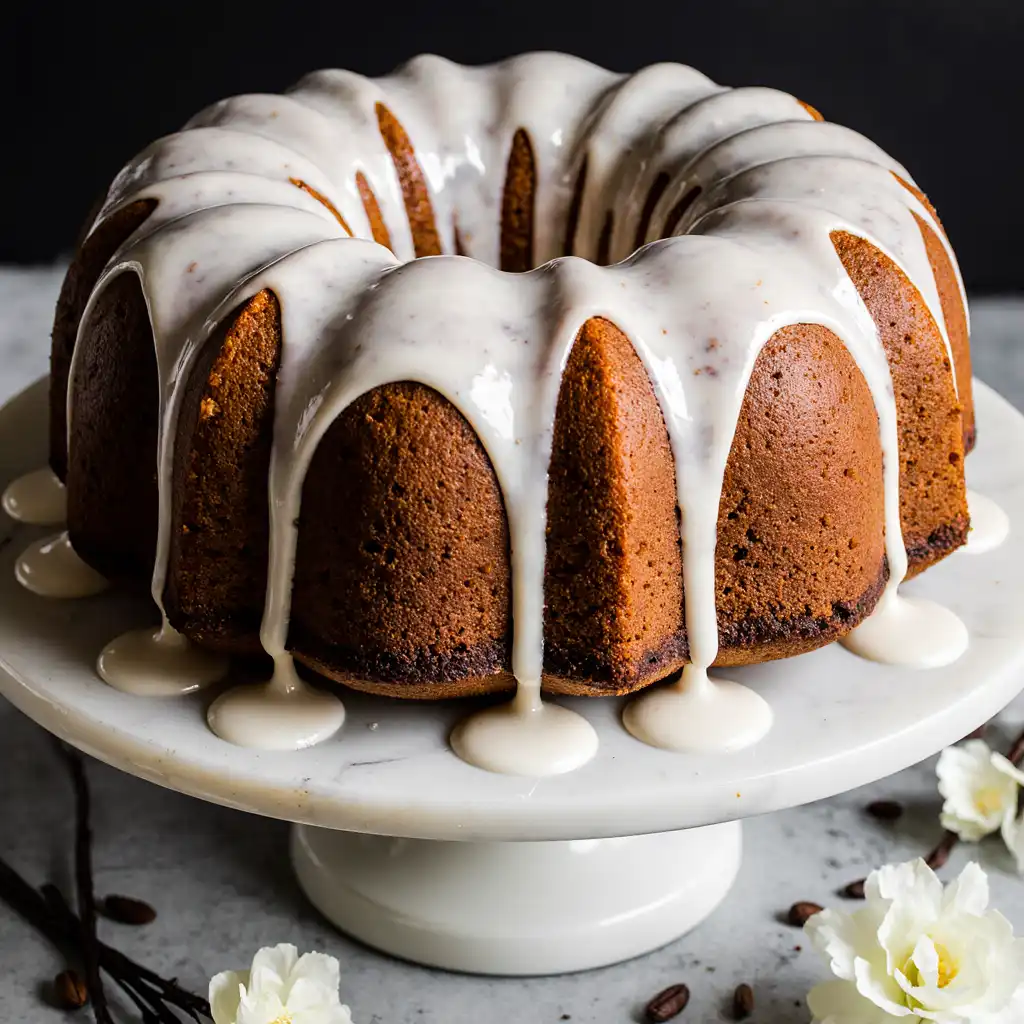
There is something uniquely elegant about a Classic Vanilla Bundt Cake. With its sculptural ridges and golden-brown crust, it is a dessert that looks sophisticated without requiring hours of complex decorating. But the true beauty of this cake lies in its simplicity: a soft, buttery crumb infused with the floral aroma of pure vanilla. This recipe is the ultimate foundational cake—perfect for a morning coffee, a formal tea, or a birthday celebration. This guide will walk you through the essential steps to ensure your Bundt cake is moist, flavorful, and—most importantly—releases perfectly from the pan every time.
Why This Recipe Works
- High Fat-to-Flour Ratio: The combination of butter and sour cream creates a dense, velvety crumb that is far more satisfying than a standard sponge cake.
- The “Clean Release” Method: We use a specific greasing technique to ensure the intricate details of your Bundt pan are preserved when unmolding.
- Double Vanilla Infusion: By using both vanilla extract and vanilla bean paste (or scrapings), we achieve a multi-dimensional flavor that stands out.
- Even Heat Distribution: The hole in the center of the Bundt pan allows heat to reach the middle of the dense batter, ensuring an even bake without dry edges.
Recipe Details
- Prep Time: 20 Minutes
- Cook Time: 50–60 Minutes
- Total Time: 1 Hour 20 Minutes
- Yield: 1 10-cup Bundt Cake (12–16 slices)
- Difficulty: Intermediate
Ingredients
- 3 cups All-Purpose Flour
- 1 tsp Baking Powder
- 1/2 tsp Baking Soda
- 1/2 tsp Salt
- 1 cup (225g) Unsalted Butter, softened
- 2 cups Granulated Sugar
- 3 Large Eggs, room temperature
- 2 tsp Pure Vanilla Extract (or 1 tsp extract + 1 tsp vanilla bean paste)
- 1 cup Full-Fat Sour Cream (or Greek Yogurt)
- For the Glaze:
- 1 1/2 cups Powdered Sugar
- 2–3 Tbsp Whole Milk or Heavy Cream
- 1/2 tsp Vanilla Extract

Instructions
- Prep the Pan: This is the most important step! Generously grease a 10-cup Bundt pan with softened butter or shortening, ensuring you hit every nook and cranny. Dust with flour and tap out the excess. Preheat oven to 350°F (175°C).
- Cream Butter & Sugar: In a large bowl, beat the butter and sugar until very light and fluffy (about 4–5 minutes). This aeration is what gives the cake its lift.
- Add Eggs: Add eggs one at a time, beating well after each addition. Stir in the vanilla.
- Dry Ingredients: In a separate bowl, whisk together the flour, baking powder, baking soda, and salt.
- The Alternate Method: Gradually add the flour mixture and the sour cream to the butter mixture, starting and ending with the flour. Mix until just combined—overmixing leads to a tough cake.
- Bake: Spoon the thick batter into the prepared pan and smooth the top. Bake for 50–60 minutes, or until a skewer inserted into the center comes out clean.
- The 10-Minute Rule: Let the cake cool in the pan for exactly 10 minutes. Then, gently tap the pan on the counter to loosen the edges and invert it onto a wire rack to cool completely.
- Glaze: Whisk the glaze ingredients until smooth and pour over the cooled cake, allowing it to drip down the ridges.
Conclusion
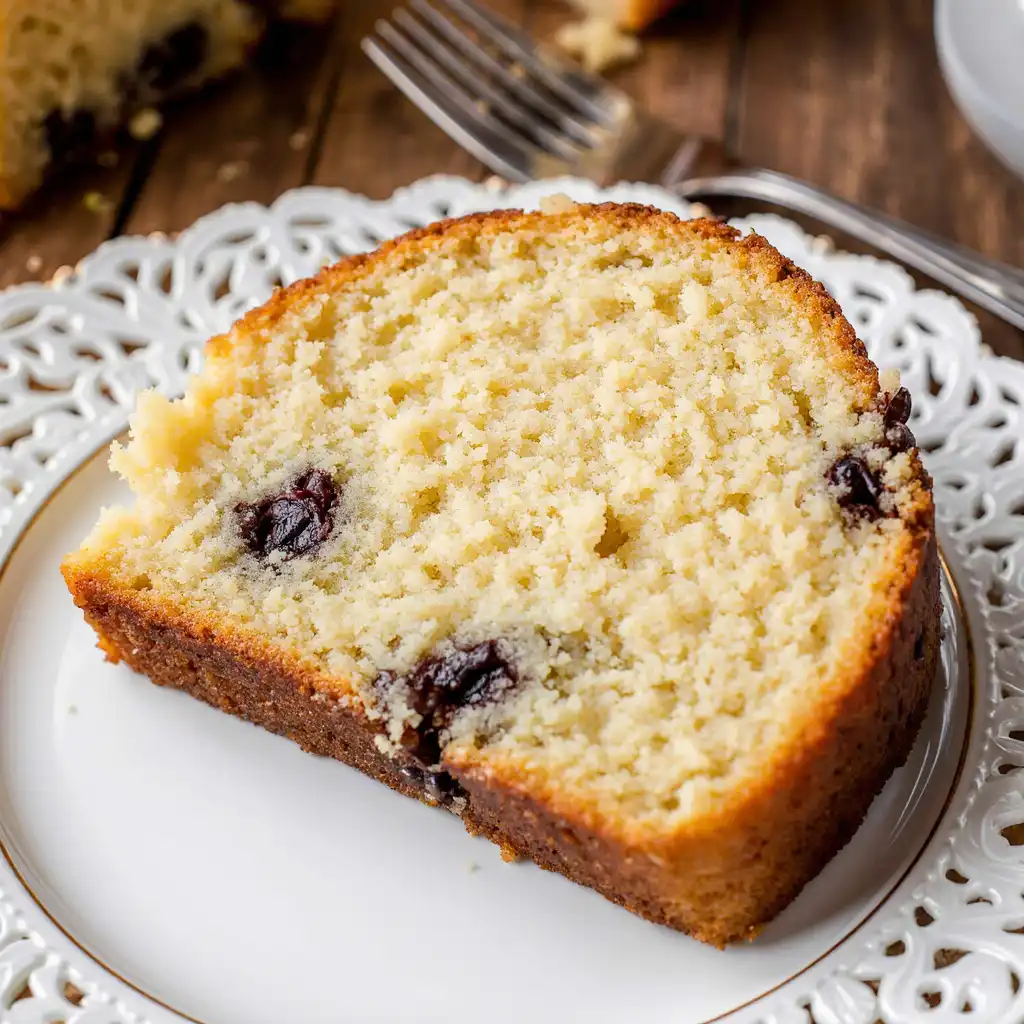
This Classic Vanilla Bundt Cake is a testament to the power of high-quality ingredients and proper technique. It is a humble showstopper—a cake that doesn’t need layers of frosting to be extraordinary. The fine, tight crumb and the deep vanilla flavor make it an instant favorite for anyone who appreciates the art of home baking. Serve it with a handful of fresh berries or a dollop of whipped cream for a dessert that is as beautiful as it is delicious.
(FAQ)
Q: My cake stuck to the pan! What happened?
A: This usually happens if the pan wasn’t greased thoroughly or if the cake sat in the pan too long. The 10-minute cooling window is the “sweet spot” where the structure has set but the sugars haven’t yet acted like glue.
Q: Can I use a different size pan?
A: This recipe is designed for a standard 10-cup or 12-cup Bundt pan. If you use a smaller pan, ensure you only fill it 2/3 of the way to avoid overflow.
Q: Why use sour cream?
A: Sour cream adds moisture and fat without thinning out the batter like milk would. It also provides a subtle tang that balances the sweetness of the sugar.